
Customer expectations are higher than ever in today’s competitive business environment. People expect quick responses, personalized communication, and smooth interactions at every stage of the customer journey. Businesses that fail to meet these expectations often struggle to retain customers and build long-term trust.
Many companies still manage leads, follow-ups, and customer communication manually through spreadsheets, emails, or messaging apps. As the number of customers grows, this approach becomes difficult to manage and leads to delays, missed opportunities, and inconsistent communication.
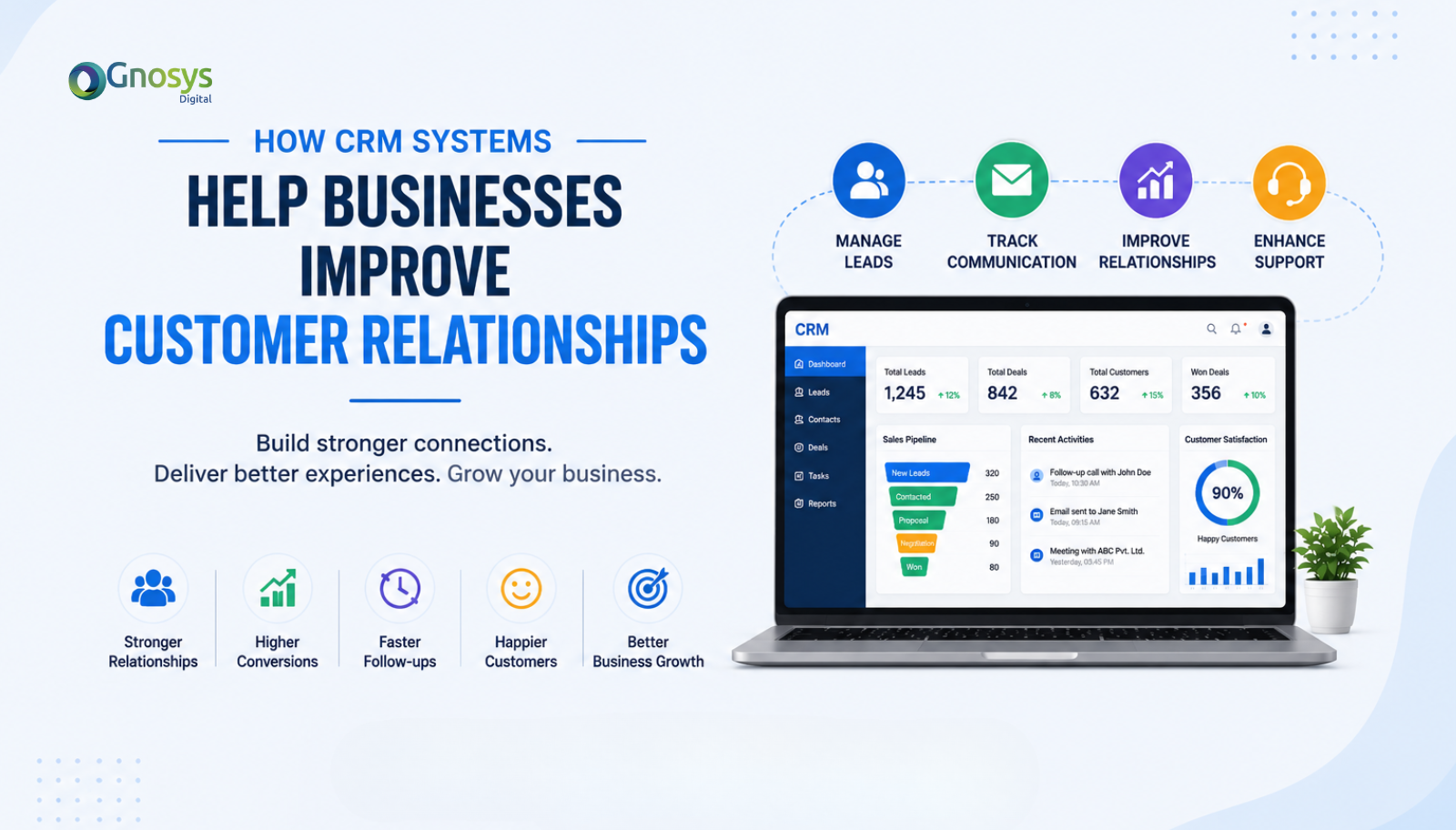
This is where a CRM (Customer Relationship Management) system becomes essential. It helps businesses organize customer data, automate follow-ups, and create stronger relationships through better communication and efficient management.
Why Customer Relationships Matter in Modern Business
Strong customer relationships are one of the biggest drivers of long-term business growth. Retaining existing customers is often more profitable than constantly spending resources to acquire new ones. Loyal customers are more likely to make repeat purchases and recommend the business to others.
Trust also plays a major role in customer decisions. Businesses that communicate consistently and understand customer needs build stronger credibility in the market. This creates better engagement and improves the overall customer experience.
Personalized communication further strengthens loyalty. When customers feel valued and understood, they are more likely to stay connected with the brand and continue doing business over time.
Common Challenges Businesses Face Without CRM
Businesses without a CRM system often struggle with missed follow-ups and delayed responses. When leads are not tracked properly, opportunities can easily be forgotten, resulting in lost sales and poor customer experiences.
Another major challenge is scattered customer information. Data stored across spreadsheets, emails, WhatsApp chats, and notebooks makes it difficult for teams to access accurate and updated information quickly.
Common problems include:
- Missed follow-ups and delayed responses
- Customer data scattered across multiple platforms
- Poor communication between teams
- No tracking of customer history or interactions
- Difficulty managing growing customer inquiries
What Is a CRM System?
A CRM system, or Customer Relationship Management system, is software designed to help businesses manage leads, customers, sales activities, and communication from one centralized platform. Instead of relying on multiple disconnected tools, businesses can organize everything in one place.
The system stores customer information, tracks interactions, manages sales pipelines, and helps teams collaborate more effectively. This ensures that everyone has access to the same updated customer data whenever needed.
With real-time access to information, businesses can respond faster, improve coordination, and provide a more professional customer experience.
How CRM Systems Improve Customer Relationships
One of the biggest advantages of a CRM system is faster response time. Since customer details and communication history are easily accessible, teams can reply quickly and accurately without wasting time searching for information.
CRM systems also enable personalized communication by storing customer preferences, previous interactions, and purchase history. This helps businesses create more meaningful conversations and stronger customer connections.
Better follow-up management ensures that no lead or customer inquiry is forgotten. Automated reminders, organized records, and customer interaction history help businesses maintain consistent communication and improve customer support quality.
Key CRM Features Businesses Should Use
A modern CRM system includes several features that help businesses improve efficiency and customer management. These tools simplify daily operations while ensuring that customer interactions remain organized and professional.
Features like lead management and sales pipeline tracking help teams monitor opportunities from the first inquiry to final conversion. Automated follow-ups and reminders also reduce the risk of missed communication.
Essential CRM features include lead management, sales pipeline tracking, automated follow-ups, customer support tickets, email and WhatsApp integration, and analytics with reporting tools.
Real Business Benefits of CRM
Implementing a CRM system can significantly improve customer retention by helping businesses maintain better communication and faster service. Customers are more likely to stay loyal when their concerns are handled efficiently and professionally.
CRM systems also improve sales conversions by organizing leads and ensuring timely follow-ups. Teams can focus on the right opportunities and make better decisions using accurate customer data and reports.
| Benefit | Business Impact | Long-Term Value |
| Customer Retention | Better relationship management | Increased loyalty |
| Sales Conversions | Faster and organized follow-ups | Higher revenue |
| Team Productivity | Improved workflow coordination | Better operational efficiency |
| Customer Satisfaction | Faster support and communication | Stronger brand trust |
Conclusion
In 2026, customer relationships are one of the most valuable assets for any business. Companies that stay organized, communicate effectively, and respond quickly will have a stronger advantage in competitive markets.
A CRM system helps businesses centralize customer information, improve follow-up management, and create better customer experiences through smarter communication and automation.
If your business wants to build stronger customer relationships and grow more efficiently, now is the right time to implement a CRM system. Start building smarter customer connections and scale your business with confidence.
